


Last Updated:
October 22nd, 2026
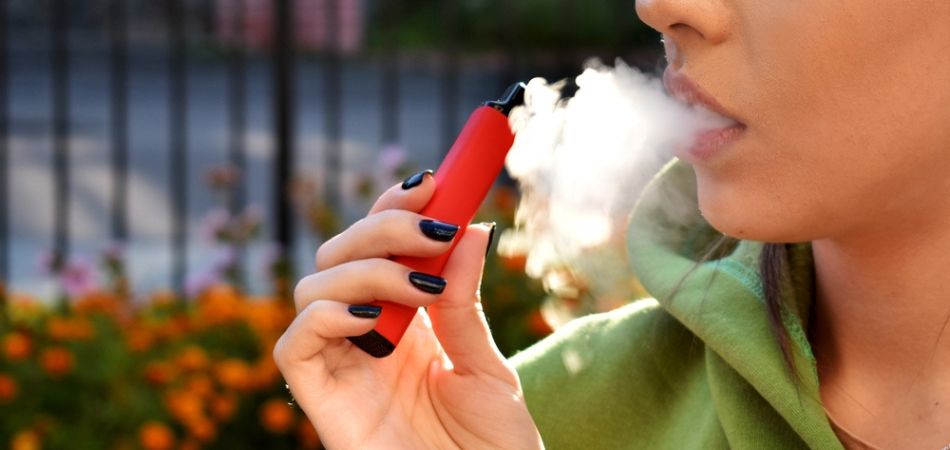
If you keep asking yourself why do I keep going back to drugs or alcohol, it can be really frustrating. You may be really hard on yourself, or feel like you’re weak or will never be able to stop. But Sanctuary Lodge meets so many people who feel the same, who go on to change their lives. This can seem completely out of reach right now, but understanding why you keep getting pulled back is the first step to resisting and ultimately breaking the hold that drugs or alcohol have over you.
Why can’t I stop using drugs or alcohol?
The answer to this question really begins inside your brain. Addiction changes how your brain weighs a choice, long before you even get near making one. You can know every fact about what alcohol or drugs are doing to you, and still drink or use again minutes after you tell yourself you won’t. This is partly because the urge comes from a different part of your brain than the part that thinks things through, so your behaviour can go one way while your thinking says another.
Drugs and alcohol trigger the same brain system that normally rewards food and safety, but they trigger it far more strongly than anything natural does. Repeated substance use trains your brain to put getting the substance above almost everything else. Once that happens, drinking or using drugs becomes almost automatic.
The role of drug and alcohol cravings
Cravings are the physical pull of addiction, and cravings can hit anytime, anywhere, often for no obvious reason. A craving is your brain asking for a reward it has learned to expect, and the more dependent your brain becomes on a substance, the more frequently it asks for that reward.
Cravings can vary in intensity from person to person and substance to substance, but they’re a big part of why substance use becomes compulsive. In some cases, you still know you shouldn’t drink or use drugs, but the craving is stronger than your willpower.
In other cases, the craving is so strong it causes a kind of mental gymnastics, where the reasons you had for quitting five minutes ago now seem illogical. You tell yourself that you were wrong about needing to quit or that somehow one drink now will actually help in the long run. This often causes immediate regret right afterwards, where you feel like you’re weak or you’re angry at yourself for letting the cravings win.
Short-term relief and the addiction cycle
You almost always feel relief before anything else when you go back to drinking or using. That relief can keep the addiction cycle going, even in someone who is ready and wants to stop.
Drugs, alcohol, and compulsive behaviours can provide relief from stress, help you forget about personal problems, ease mental health symptoms, lift a low mood temporarily, and make you feel good about yourself when you usually don’t. This doesn’t last long, but the comedown and consequences don’t usually arrive for a few hours, by which point there is no going back.
Why stopping gets physically harder
The more drugs and alcohol you use, the less effect the same amount has, so you need more to feel anything at all. Your body can soon start relying on a substance to cope with everyday life, as much as to feel good. This is when substance dependence develops and when withdrawal symptoms start when you quit or use less.
Withdrawal is part of why you keep drinking or using drugs even though you don’t get drunk or high anymore. You used to do it for a good time, but now you do it just to avoid how bad you feel if you don’t.
How triggers make using feel automatic
Drug and alcohol dependence is a physical change, but your mind also changes, with habits and routines set off by triggers.
Anything linked to drinking, drug use, or even behaviours like gambling or compulsive gaming can potentially become a trigger. That can include drinking friends, places you do drugs, a particular time of day, a memory of something painful, or just a feeling like being stressed or lonely.
Researchers sometimes call this “cue reactivity”. Your brain reacts to a trigger or cue very quickly, often before you’ve even noticed you’re craving anything. A familiar street or an argument with someone close to you can pull you toward substances or addictive behaviours without you having any clear thought first.
While triggers are very powerful, they do give you something concrete to plan for. In rehab treatment at Sanctuary Lodge, every client learns to identify their triggers and create a strategy for managing or avoiding them after discharge. This is a key part of relapse prevention planning, because triggers don’t just disappear when you quit.
Why do I relapse after promising myself I wouldn’t
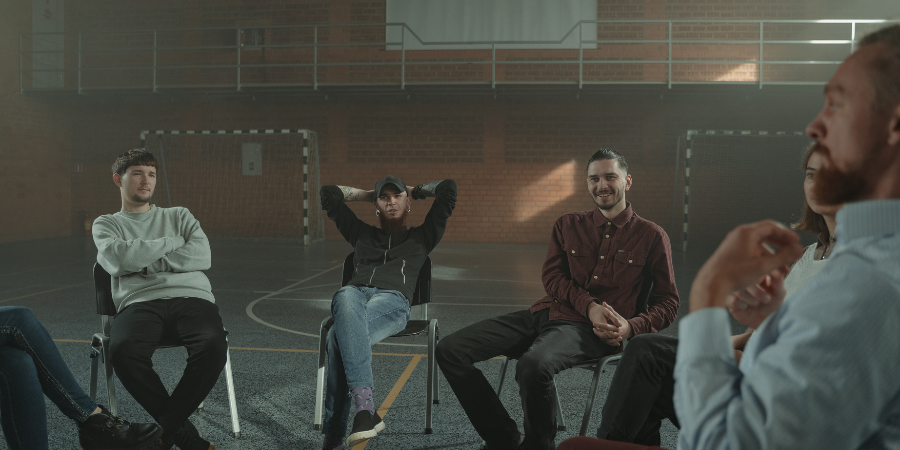
Even people who have been through rehab treatment experience slip-ups. In fact, many sources put the relapse rate at around 40-60% of all people in addiction recovery. Crucially, there is a difference between a lapse, a one time slip-up, and a full relapse, where you go back to your old substance use. Research has found that people who put one lapse down to their own failure often end up using more, in an attempt to escape the guilt and shame.
It’s so important to understand that returning to addiction after a period of doing better is common, but that the progress you made before is still real. You have to deal with it quickly to stop yourself from losing control again, and this usually means addressing the new guilt and shame as well as whatever triggered the relapse.
If you have been through rehab treatment at Sanctuary Lodge or somewhere else, your team may need to adjust your relapse prevention plan, and you may possibly need to re-enter rehab for a period. Don’t look at either as failures or permanent setbacks. They are normal stages of addiction recovery and will help you avoid the same obstacles next time.
Practical ways of breaking the addiction cycle
Even before rehab treatment, there are various things you can do to start breaking the addiction cycle.
The first is to know your triggers and patterns early enough to catch them. Write down what usually comes right before you use drugs or drink, so you can see what sets it off.
Where you can, distance yourself from what triggers you most, whether that means a new route home or avoiding a certain pub.
You can also try out one method for managing stress or life’s difficulties every day. That can be calling someone to talk, exercising outside, writing your thoughts in a journal, or maybe trying out some therapy.
After addiction treatment, keeping up with aftercare, attending local support meetings, staying connected to rehab peers and staff, and practising everything you learned during therapy can all help. You can’t overcome addiction in a day or even in four weeks of residential treatment. Recovery is a lifelong process, but with the right steps and support, it can be a worthwhile and even enjoyable journey.
A safety note on stopping suddenly
If you’re physically dependent on alcohol or certain other drugs, including benzodiazepines, stopping drug use suddenly without support can be dangerous. NICE, which guides NHS care in England, advises people who are dependent on alcohol to avoid a sudden drop in how much they drink, because it can cause severe withdrawal. Speak to your GP or an addiction specialist like Sanctuary Lodge before you stop or cut down sharply, especially if you’ve used a lot for years or found stopping difficult before.
Getting help for addiction with Sanctuary Lodge
If you’ve ended up back at drinking or using, even after trying hard to stop, Sanctuary Lodge can help. Our addiction treatment looks at everything that’s happened, including the moments that went wrong. We know how demoralising the addiction cycle can be, but we have helped countless people break out of it. We’ll listen to what’s been happening and talk through what would help most right now.
(Click here to see works cited)
- Batchelder, Abigail W., et al. “The Shame Spiral of Addiction: Negative Self-Conscious Emotion and Substance Use.” PLOS ONE, vol. 17, no. 3, 2022, e0265480, doi.org/10.1371/journal.pone.0265480.
- Carter, Brian L., and Stephen T. Tiffany. “Meta-Analysis of Cue-Reactivity in Addiction Research.” Addiction, vol. 94, no. 3, 1999, pp. 327-340, doi.org/10.1046/j.1360-0443.1999.9433273.x.
- Larimer, Mary E., et al. “Relapse Prevention: An Overview of Marlatt’s Cognitive-Behavioral Model.” Alcohol Research & Health, vol. 23, no. 2, 1999, pp. 151-160, pmc.ncbi.nlm.nih.gov/articles/PMC6760427/.
- National Institute for Health and Care Excellence. Alcohol-Use Disorders: Diagnosis and Management of Physical Complications. NICE guideline CG100, 2010, updated 2017, www.nice.org.uk/guidance/cg100.
- National Institute on Drug Abuse. “Drugs and the Brain.” Drugs, Brains, and Behavior: The Science of Addiction, nida.nih.gov/publications/drugs-brains-behavior-science-addiction/drugs-brain.
- National Institute on Drug Abuse. “Understanding Drug Use and Addiction DrugFacts.” nida.nih.gov/publications/drugfacts/understanding-drug-use-addiction.

