


Last Updated:
October 28th, 2026
It’s easy to miss the risk with codeine and alcohol because both feel pretty ordinary. But there are real dangers of codeine and alcohol that shouldn’t be underestimated. Codeine comes from the opioid family, and even a small amount on top of an ordinary night’s drinking can slow your breathing to a dangerous rate and cause other potential harm. Understanding the risks could potentially save your life or someone you care about.

Why mixing codeine and alcohol is riskier than it looks
Codeine and alcohol both work as depressants, so they slow down the brain and the central nervous system. Mixing codeine and alcohol multiplies those effects, so breathing that would normally slow a little can slow down far more.
That codeine alcohol interaction makes even a standard dose alongside an ordinary amount of drinking very dangerous. For example, codeine respiratory depression becomes far more likely once you add alcohol on top, because the same dose of codeine gets harder for the body to cope with.
Can you drink alcohol with codeine at all?
The NHS is clear that the answer to this question is no. It doesn’t matter if it’s one drink, a small amount of codeine, if it was prescribed to you, or if you bought it over the counter. Taking codeine with alcohol raises the risk of numerous short- and long-term health issues explained below.
It’s the combination that causes the problem, not the size of either dose. While it can be tempting to think a single drink on a normal dose will be fine, there’s no dose small enough to remove the risk completely.
What makes the risk worse for some people
Some people are at far greater risk of codeine and alcohol dangers, and there’s no easy way to tell who. A few things can change how dangerous a dose turns out to be, including how much someone’s taken, how used to codeine their body is, their age, their health, and how well their liver works.
Adding another depressant on top of alcohol and codeine, such as a sleeping tablet or another painkiller containing an opioid, makes it even more dangerous because there are now three things slowing the body down. Again, it’s easy to underestimate all this, because codeine comes from the chemist’s and alcohol comes from a supermarket, so they don’t feel like the drugs people usually worry about.
Short-term effects of codeine and alcohol together
Codeine and alcohol side effects are easy to miss, because they can look like someone’s had too much to drink. They include drowsiness, confusion, poor coordination, slurred speech, dizziness, being sick, and struggling to stay awake.
These effects should never be waved off as someone just being really drunk or needing to sleep it off. Opioids like codeine can slow breathing more than alcohol alone, and people can die in their sleep. If several of these signs appear together after codeine and drinking, keep a close eye on them and be ready to get medical help.
Signs of a codeine overdose you should never ignore
Codeine overdoses are often missed completely until there is already an emergency. But figures from the Office for National Statistics show that opioids were involved in nearly half (2,621) of all drug-poisoning deaths registered in England and Wales in 2024. Every second is crucial when someone is overdosing, so it’s crucial to be aware of the signs and act right away.
Codeine overdose signs include breathing that is slow, shallow, or uneven, or stops altogether. The person may be severely confused, lose consciousness, or find their lips or fingertips turning blue or grey. If they’re already asleep or unconscious, they may be impossible to wake, no matter what you try. They may also be making choking or an unusual snoring or gurgling sounds.
It can sometimes feel like you’re overreacting, but any one of these on its own is reason enough to ring 999, without waiting to see if more appear. Codeine overdose symptoms don’t always come all at once, and sometimes they build gradually as the body absorbs more codeine. If you see any of this, take them to hospital, or call for an ambulance straight away and stay with them until help arrives.
What naloxone can and can’t do
Naloxone is a medicine that can reverse the breathing effects of an opioid overdose within minutes, and paramedics and drug services usually carry it. Laws in Britain have changed recently, and naloxone has now become relatively easy to get for people who use opioids and their families. If you know one of your friends or someone in your home is likely to mix codeine and alcohol, it’s always worth having naloxone to hand.
If you think someone is having an overdose, there is no harm in administering naloxone, but you still need to get help. Naloxone effects only last an hour or so, but codeine can stay active in the body longer than that and breathing problems can come back as naloxone wears off. Call 999 first, and then administer naloxone, or give it to them on the way to the hospital.
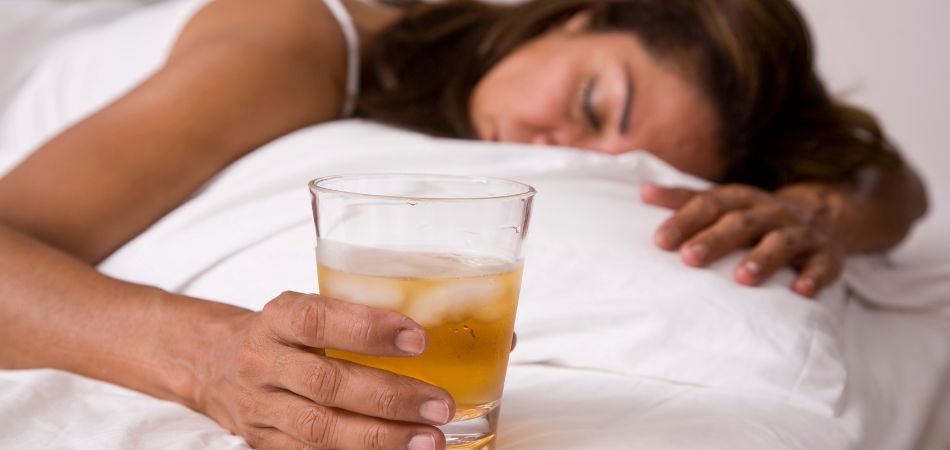
What to do if they’ve already taken codeine and alcohol
If someone’s already taken codeine and alcohol together, the first thing is to stop things from getting any worse. What’s already happened can’t be undone, only temporarily delayed by naloxone. Don’t give them more alcohol, more codeine, or anything else.
Some people play a dangerous kind of seesawing where they take stimulants when they’re too sedated and sedatives or opioids when they’re too high, but this is incredibly dangerous. It adds even more unpredictable drugs to the mix and can pull body systems in multiple directions at once.
Don’t let them sleep alone, and try your best to get them to a hospital. They may protest, but many people who have mixed codeine and alcohol become confused and can’t think straight. They may seem fine right now, but that doesn’t rule out danger later, because the body’s still absorbing the codeine for hours after it’s taken.
The longer-term risk of tolerance, dependence and addiction
If someone uses either substance regularly, their body can build up a tolerance. This means they need more to feel the same effect, and that’s often an early sign that alcohol or codeine dependence is starting to develop.
Watch for someone needing codeine more often than a doctor prescribed it, or drinking alone and earlier in the day than they used to. They may get irritable when they can’t get either substance or experience other alcohol or codeine withdrawal symptoms when they try to cut down.
Codeine addiction and opioid addiction in general can go hidden for a long time, and alcohol addiction is often masked by how common drinking is. But the longer someone waits to get help, the more dangerous addiction becomes, and the more likely they are to mix harmful substances.
Talk to Sanctuary Lodge about getting help for codeine addiction
Alcohol and codeine together are never harmless. You should only ever take codeine the way it’s prescribed, and if you feel like you’re becoming dependent on either substance or both, you should seek professional guidance right away.
Sanctuary Lodge has treated many people with multi-substance use addictions, and while recovery can be challenging, it is absolutely possible. Contact us today, and we can help you work out what treatment and support you need.
(Click here to see works cited)
- National Health Service. “Codeine: A Medicine for Pain.” NHS, www.nhs.uk/medicines/codeine/.
- Naloxone Saves Lives. “How to Spot Signs of an Opiate Overdose.” Naloxone Saves Lives, naloxone.org.uk/naloxone-how-to-spot-signs-of-overdose/.
- Office for National Statistics. “Deaths Related to Drug Poisoning in England and Wales: 2024 Registrations.” ONS, www.ons.gov.uk/peoplepopulationandcommunity/birthsdeathsandmarriages/deaths/bulletins/deathsrelatedtodrugpoisoninginenglandandwales/2024registrations.
- GOV.UK. “Supplying Take Home Naloxone without a Prescription.” GOV.UK, www.gov.uk/guidance/supplying-take-home-naloxone-without-a-prescription.

