




Written by:

Medically Reviewed by:
Last Updated:
January 20th, 2026
The use of antidepressants in the UK has increased significantly in recent years. NHS data shows that over 89 million antidepressants were prescribed last year, a 3.3% increase from the year before. Among these medications, mirtazapine remains one of the most frequently prescribed.
As its use becomes more widespread, more people find themselves asking the question: Is it safe to drink alcohol while taking mirtazapine?
There are serious dangers in their interaction. Our aim is to support you in reaching complete recovery while taking steps to protect your physical and mental health.
What is mirtazapine and why is it prescribed?
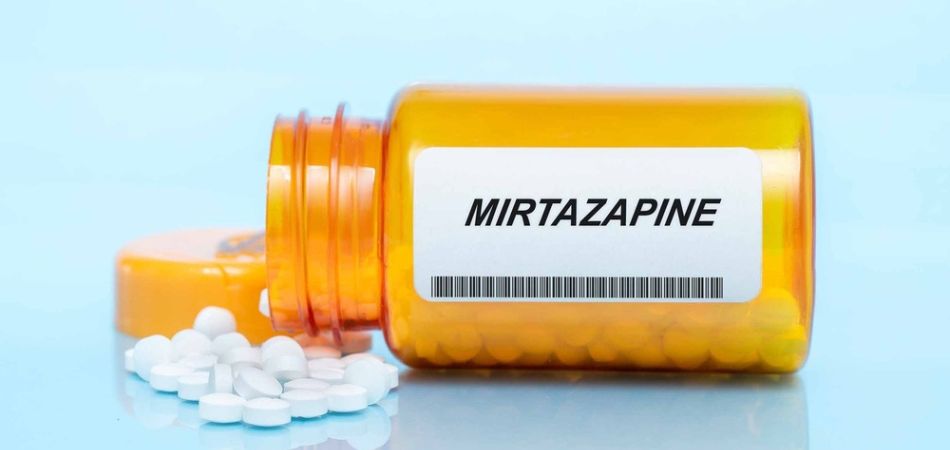
Mirtazapine is one kind of antidepressant prescribed to treat major depressive disorder and generalised anxiety. It belongs to a class of medications known as NaSSAs (noradrenergic and specific serotonin antidepressants). It works by increasing serotonin and noradrenaline levels, two key chemicals that regulate your overall mood and emotional balance.
Unlike many other antidepressants, mirtazapine has mild sedative properties, which is why most people are prescribed to take it at night. Many people report improvements in sleep quality and appetite, making it especially effective for those experiencing insomnia or significant weight loss linked to depression.
However, the same sedative properties in mirtazapine can result in drowsiness, slowed coordination and disorientation. Here we may start to draw parallels with some of alcohol’s sedating properties, and when the two mix in the body, the effects of both can majorly impact the body and mind.
Why might mirtazapine and alcohol be mixed?
Prescribers of mirtazapine and healthcare researchers will always advise you to avoid alcohol while taking mirtazapine. However, mixing alcohol and antidepressants happens more frequently than we might first think, for a collection of reasons. Some may do so without realising the dangers, while others could intentionally combine them to intensify the sedative effects, or to “numb” some form of emotional distress.
For many, general anxiety is often felt in large social gatherings. Of course, nobody wants to cope with social anxiety by forever shutting themselves off from the world, so a person might take their prescribed mirtazapine before a night spent socialising, to deal with the discomfort.
As mirtazapine’s sedative properties already cause drowsiness and impaired reaction times, a person might feel like one or two drinks won’t hurt. However, the onset of intoxication often comes faster than they anticipate.
At a psychological level, both substances function as a tool to escape pain or anxiety temporarily. However, the relief is short-lived and can actually deepen depressive symptoms over time. A dangerous cycle can then manifest, as both substances become more appealing as an apparent escape from discomfort.
What are the dangers of mixing mirtazapine and alcohol?
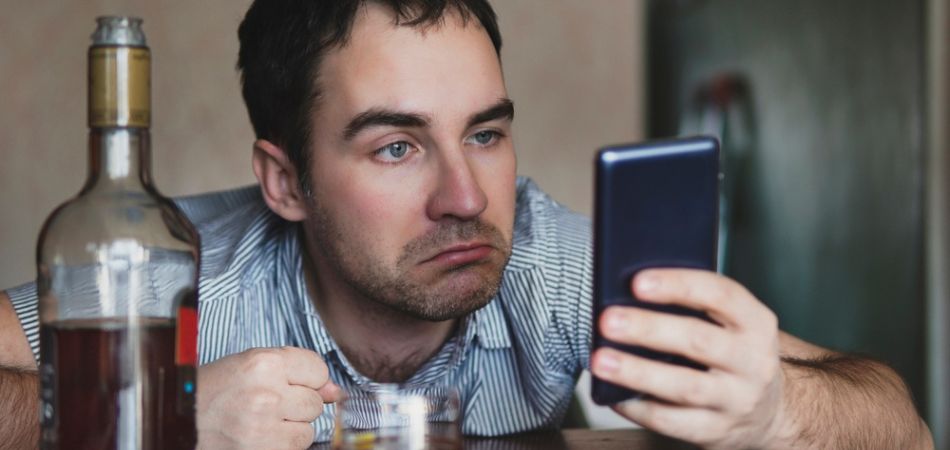
Taking mirtazapine and drinking alcohol in combination can pose severe mental and physical health risks. These include:
Beyond physical effects, the mixture can cause emotional instability. Alcohol directly impairs the antidepressant benefits of mirtazapine, leading a person into bleak moods and heightened irritability. This is especially important in the first days or weeks of treatment, when your body is still adapting to the medicine.
This dual dependency complicates your potential recovery, as both alcohol use and mental health symptoms start reinforcing one another. It becomes more difficult for treatment specialists to provide you with the right path in recovery, as integrated care becomes a matter of urgency.
For anyone prescribed mirtazapine, avoiding alcohol completely becomes the safest course for treatment. Medical professionals can give you clear guidance on safe use, so you can protect your health and stand the strongest chances of recovery.
Other symptoms of a potential overdose include diminished reflexes, extreme confusion, or even complete loss of consciousness. In such a situation, it is critical to call emergency responders for immediate medical support.
Is it always dangerous to use both simultaneously?
For some people, small amounts of alcohol may not cause immediate harm while taking mirtazapine, but that doesn’t mean the combination is safe. The NHS advises avoiding alcohol entirely when first starting treatment, so you can get the clearest picture of how the medicine is affecting you.
Generally speaking, a small amount of alcohol might not cause an emergency, but it is likely to undermine your recovery. The safest approach is the avoidance of alcohol while taking mirtazapine, to put you in the best stead for the complete recovery you need.
How can I stop mixing mirtazapine and alcohol safely?
If you’ve found yourself relying on both alcohol and mirtazapine, there may be risks in sudden cessation, especially if you’ve been drinking heavily or using the medication for a long time.
The best steps to follow for safely quitting are:
- Speak to your doctor before making any changes. They can assess your level of dependence and cater to your medication. Their advice may help guide you through a safe tapering process, as opposed to suddenly stopping.
- Understand the withdrawal symptoms you may face: Abruptly quitting one or both substances can result in intense withdrawal symptoms. Make sure you research beforehand the type of symptoms you can expect.
- Research medical detox: In a professional rehab environment, you’ll have access to medications and monitoring that can reduce withdrawal discomfort and keep you safe throughout the recovery process.
With the right support, recovery becomes the catalyst for regaining your health and feeling like yourself again.
Where can I get help for an addiction in my life?
If you’ve been mixing mirtazapine and alcohol and are finding it hard to stop, help from a professional may put you in the best stead. Please remember that you don’t have to face this alone. We are here for you.
At Sanctuary Lodge, we specialise in rehab recovery, be it rehab for alcohol abuse, or rehab for antidepressants dependence, to help you break free from dependency. We support you in building the kind of future you want, free from the confines of addiction.
Contact us for confidential advice and compassionate care. Taking your first step today may be the turning point that restores your health, stability and peace of mind.
(Click here to see works cited)
- NHS Choices, NHS, media.nhsbsa.nhs.uk/press-releases/5171d616-95ea-4282-959b-15f8bfed6a0f/nhs-releases-2023-24-mental-health-medicines-statistics-for-england
- Alam A, Voronovich Z, Carley JA. A review of therapeutic uses of mirtazapine in psychiatric and medical conditions. Prim Care Companion CNS Disord. 2013;15(5):PCC.13r01525. doi: 10.4088/PCC.13r01525. Epub 2013 Oct 10. PMID: 24511451; PMCID: PMC3907331.
- “Antidepressants and Alcohol.” Priory, www.priorygroup.com/blog/antidepressants-and-alcohol
- NHS Choices, NHS, www.nhs.uk/medicines/mirtazapine/common-questions-about-mirtazapine

